How Fighting Corrosion is One of the Greenest Things You Can Do in Oil & Gas
- Equiptech Technical Dept.
- Apr 11
- 2 min read

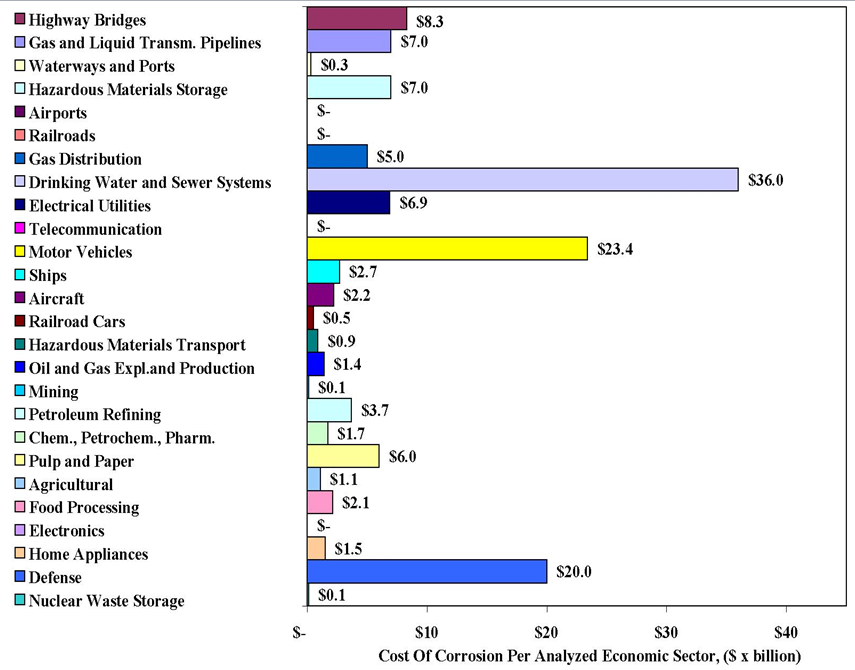
“According to the NACE IMPACT Study, the global cost of corrosion is estimated at US$2.5 trillion annually, equivalent to 3.4% of global GDP. In the oil & gas industry alone, corrosion costs are estimated to exceed $60 billion per year globally.”
At first glance, corrosion management sounds like a purely technical or maintenance issue. But in reality, fighting corrosion is one of the most practical and impactful sustainability actions an oil & gas operator can take today.
In the harsh environments of the Middle East — with high H₂S content, extreme temperatures, and humidity — corrosion doesn’t just eat away at equipment. It creates massive amounts of waste, unnecessary CO₂ emissions, and premature asset retirement. Winning the battle against corrosion therefore directly supports both environmental goals and the bottom line.
The Hidden Environmental Cost of Corrosion
Every time a valve, pump, pipe, or vessel fails due to corrosion and needs replacement, the impact goes far beyond the cost of the new part:
Manufacturing emissions: Producing replacement steel, alloys, and components generates significant carbon dioxide.
Transportation footprint: Shipping heavy equipment across continents adds more emissions.
Waste generation: Old corroded equipment often ends up as scrap.
Production losses: Shutdowns increase flaring or deferred production.
Extending the life of assets by even 20–30% through better corrosion control can deliver one of the highest sustainability returns on investment in the industry.
High-Impact Ways to Turn Corrosion Control into Sustainability Wins
1. Smart Material Selection Choosing the right materials from day one is the most effective step. Using Corrosion Resistant Alloys (CRAs) such as Duplex, Super Duplex, Inconel, or Hastelloy in sour service applications dramatically reduces replacement frequency.

2. Advanced Corrosion Inhibitors & Chemical Solutions Modern, low-toxicity inhibitors paired with efficient chemical injection systems slow down corrosion rates while reducing chemical consumption.

3. Real-Time Corrosion Monitoring Installing corrosion coupons, probes, and IoT sensors allows predictive maintenance.

4. High-Performance Coatings & Cathodic Protection Advanced coatings and cathodic protection systems protect carbon steel assets for longer.

5. Design & Operational Best Practices Avoiding dead legs, controlling flow velocities, and preventing Corrosion Under Insulation (CUI).

Real Business & Sustainability Benefits
Operators who treat corrosion management as a sustainability initiative typically see:
15–35% reduction in total corrosion-related costs
Extended asset life (30–40+ years)
Lower Scope 3 emissions
Improved ESG scores
The Way Forward
The oil & gas industry is under increasing pressure to reduce its environmental footprint. Fighting corrosion is one area where environmental and financial goals perfectly align.

Comments